Bwabwata National Park with its three core conservation areas of Mahango, Buffalo and Kwando, form a vital component of the greater regional conservation area known as the Kavango Zambezi Trans-Frontier Conservation Area (KAZA TFCA)
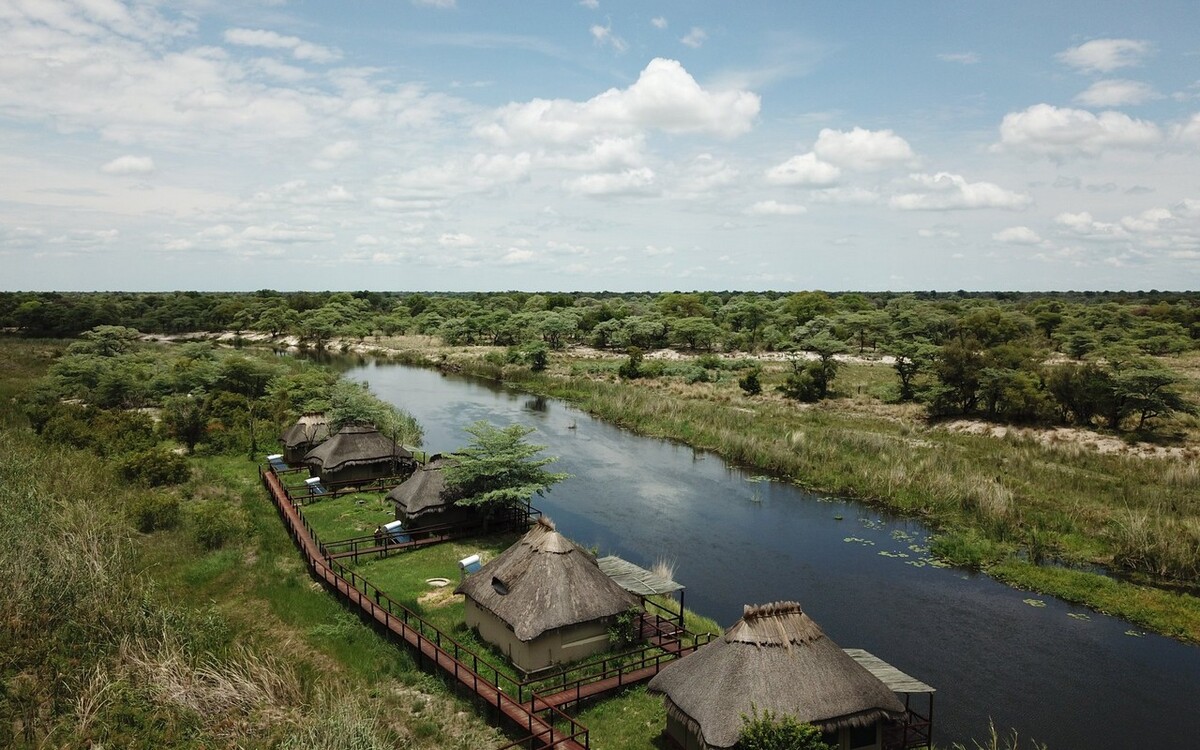
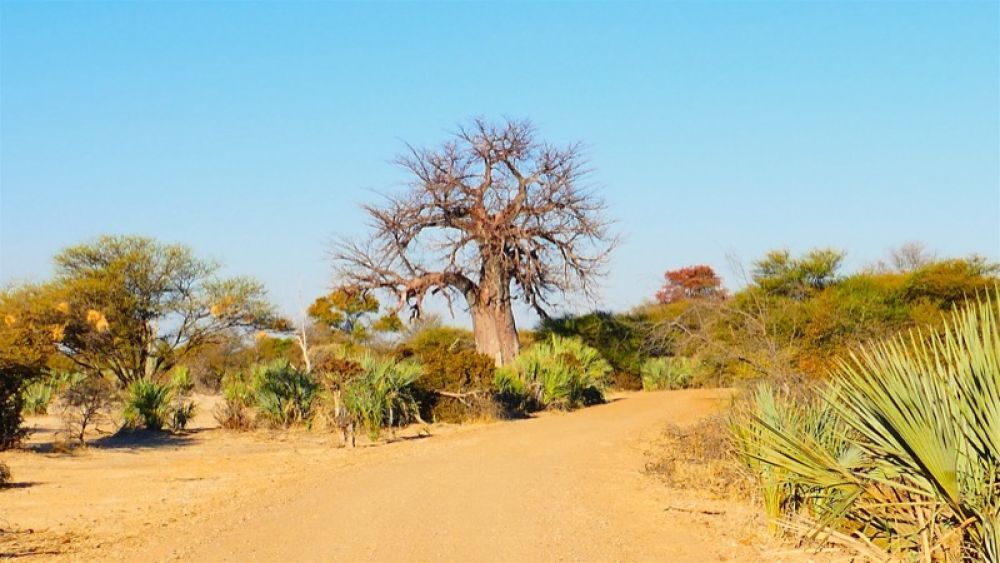
The main features of the Bwabwata are the two rivers forming the western and eastern boundaries along with their riparian forests and floodplains, with a parallel system of mostly dry omiramba and low dunes between them. The area between the rivers has no permanent surface water and consists of deep Kalahari windblown sand. With the high rainfall in the area this sandy area supports deciduous woodlands.
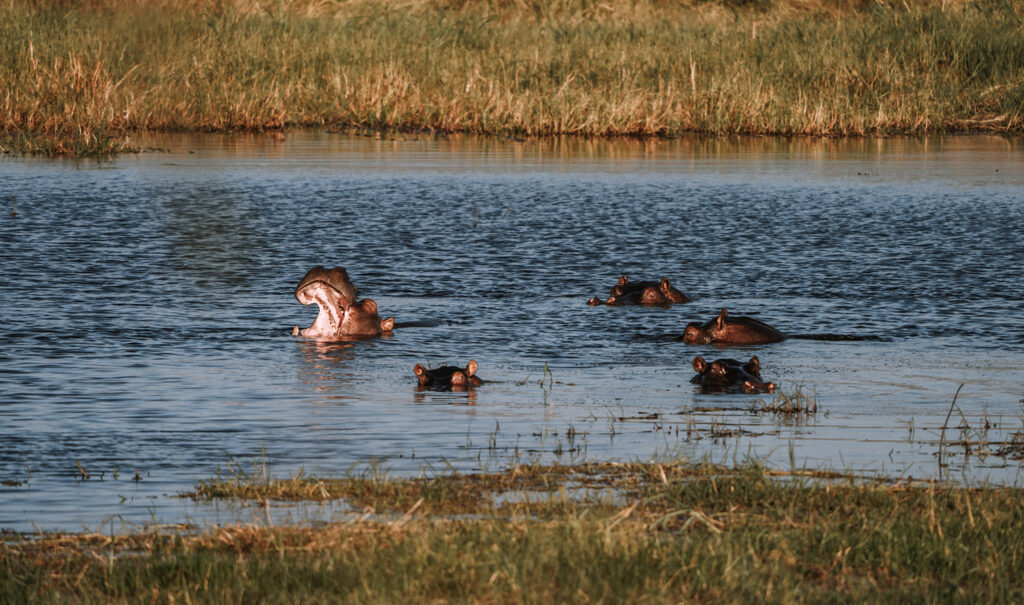
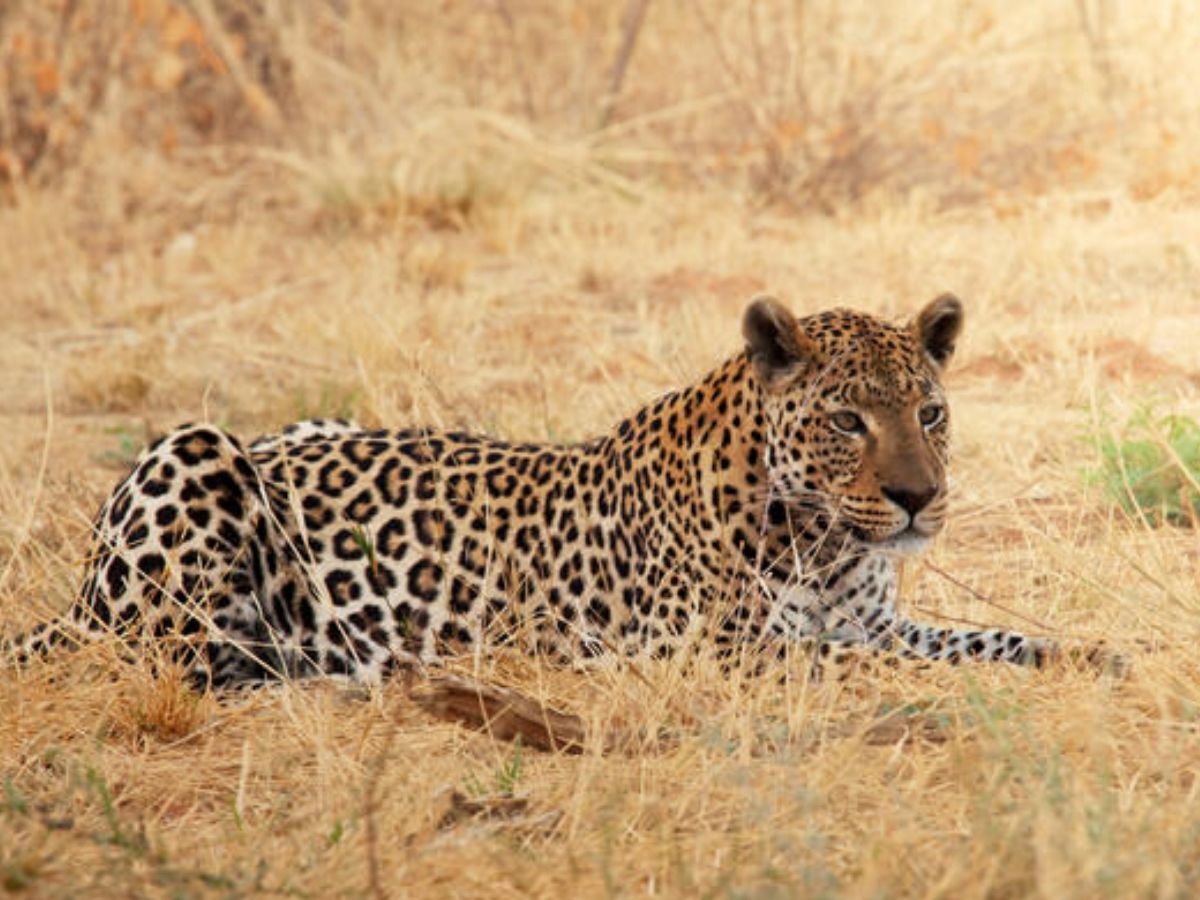
Bwabwata suffered heavily from poaching during the 70’s and 80’s, however, wildlife numbers have recovered significantly since proper management has been implemented. Most mammal species are well represented with roan, sable, kudu, impala, reedbuck, bushbuck, red lechwe, sitatunga, giraffe, zebra and blue wildebeest. There are large herds of elephant and buffalo at certain times of the year. Hippo and crocodile flourish in the rivers and predators include lion, leopard, cheetah, hyena and African wild dog. Both rivers provide breeding habitats for wetland birds such as the endangered Wattled Crane and African Skimmer.
The average annual rainfall is 550-600mm occurring in summer from November-March. The dry season runs from April to October with the coldest months being June and July. There are a few camps inside the Bwabwata National Park and a number of camps that are situated just across the river boundaries of the park. Contact Temba Travel if you would like to experience this wildlife haven.